What is UPLIZNA® (inebilizumab-cdon)?
UPLIZNA is a prescription medicine used to treat adults with: Neuromyelitis optica spectrum disorder (NMOSD) who are anti-aquaporin-4 (AQP4) antibody positive; Immunoglobulin G4-related disease (IgG4-RD); Generalized myasthenia gravis (gMG) who are anti-acetylcholine receptor (AChR) or anti-muscle specific tyrosine kinase (MuSK) antibody positive. It is not known if UPLIZNA is safe or effective in children.
The UPLIZNA Difference hero header image: A real NMOSD patient, Betsy, smiles directly at the camera The UPLIZNA Difference hero header image: A real NMOSD patient, Betsy, smiles directly at the camera

About UPLIZNA

Proven Effective

Lightning bolt with a strikethrough icon

Proven to significantly reduce the risk of attacks and NMOSD-related hospitalizations

77% relative reduction in attacks. In a study, 11% of 161 patients on UPLIZNA had an attack through Week 28 vs 42% of 52 patients on placebo. Patients taking UPLIZNA had a yearly hospitalization rate of 0.11 vs 0.5 on placebo.

2 Infusions a Year*

Icon of an IV bag with a "2x" in the center

The ONLY FDA-approved NMOSD treatment with 2 doses per year*

*One infusion every 6 months after 2 startup infusions 2 weeks apart. 

Established Safety Profile

Safety profile icon

The largest NMOSD patient study demonstrated the safety of UPLIZNA.

UPLIZNA may cause serious side effects. The most common side effects include urinary tract infection and joint pain.
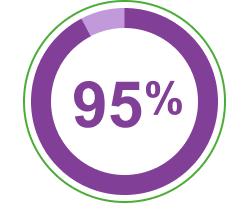
95 percent icon

of patients who started on UPLIZNA stayed on UPLIZNA.

(data from US patients enrolled in Amgen by Your Side)

Data from 01/01/2025-12/31/2025 for 2,034 patients enrolled in Amgen By Your Side who received a dose of UPLIZNA within 6 months of the start date and received or are scheduled to receive their next dose within 6 months of the end date of the analysis.

How It Works: UPLIZNA Destroys CD19+ B cells

UPLIZNA is the only FDA-approved medicine for adults who are anti-aquaporin-4 (AQP4) antibody positive that targets CD19+ B cells. While the exact way UPLIZNA works in NMOSD is unknown, it is believed to target and destroy CD19+ B cells as they grow, stopping them from producing harmful autoantibodies called AQP4-IgG that cause attacks and damage. 

Treatment Options

Treatment Landscape

This table provides some information that may be helpful to know for certain treatments that are used for NMOSD. It’s important to talk to your doctor about any questions you may have and which treatment may be right for you.

UPLIZNA® (inebilizumab-cdon) RITUXAN®
(rituximab)
SOLIRIS®
(eculizumab)
ULTOMIRIS® (ravulizumab-cwvz)
ENSPRYNG® (satralizumab-mwge)
FDA approved for AQP4 positive NMOSD in adults?§ Yes No Yes Yes Yes
Dosing and Administration Twice a year/
90-minute infusions** (after 2 startup doses given 2 weeks apart)
Dosing and administration may vary by use and indication** Every other week/
35-minute infusion** (after weekly infusions for 4 weeks)
Every 8 weeks/
> or < than 1-hour infusions**,†† (after weight-based intravenous loading dose)
Every 4 weeks/
injection under the skin** (after injection at Weeks 0, 2, and 4)
How is it understood to work? Anti-CD19+ (B cell depletion) Anti-CD20+ (B cell depletion) C5 inhibitor C5 inhibitor IL-6 inhibition
  • FDA approved for AQP4 positive NMOSD in adults?§

    UPLIZNA®
    (inebilizumab-cdon)

    Yes

    RITUXAN®
    (rituximab)

    No

    SOLIRIS®
    (eculizumab)

    Yes

    ULTOMIRIS®
    (ravulizumab-cwvz)

    Yes

    ENSPRYNG®
    (satralizumab-mwge)

    Yes

  • Dosing and Administration

    UPLIZNA®
    (inebilizumab-cdon)

    Twice a year/
    90-minute infusions** (after 2 startup doses given 2 weeks apart)

    RITUXAN®
    (rituximab)

    Dosing and administration may vary by use and indication**

    SOLIRIS®
    (eculizumab)

    Every other week/
    35-minute infusion** (after weekly infusions for 4 weeks)

    ULTOMIRIS®
    (ravulizumab-cwvz)

    Every 8 weeks/
    > or < than 1-hour infusions**, †† (after weight-based intravenous loading dose)

    ENSPRYNG®
    (satralizumab-mwge)

    Every 4 weeks/
    injection under the skin** (after injection at Weeks 0, 2, and 4)

  • How is it understood to work?

    UPLIZNA®
    (inebilizumab-cdon)

    Anti-CD19+
    (B-cell depletion)

    RITUXAN®
    (rituximab)

    Anti-CD20+
    (B-cell depletion)

    SOLIRIS®
    (eculizumab)

    C5 inhibitor

    ULTOMIRIS®
    (ravulizumab-cwvz)

    C5 inhibitor

    ENSPRYNG®
    (satralizumab-mwge)

    IL-6 inhibition

§FDA approval means that the FDA has determined that the medication is effective and safe for its intended use, with benefits that outweigh its risks when used as intended.

**Please refer to specific Prescribing Information for all products for additional dosing and administration details.

††ULTOMIRIS varies by body weight and dose.

A placebo is a substance that has no medicinal effect and is used as a comparison to the test drug in patient studies.

Prepare for a Productive Conversation With Your Doctor

This tracker can help you bring up important questions when you are weighing your treatment options. Use it to share your symptoms, concerns, and goals, so your doctor can help you decide which treatment may be right for you.

IMPORTANT SAFETY INFORMATION

Who should not receive UPLIZNA?

You should not receive UPLIZNA if you have:

  • had a life-threatening infusion reaction to UPLIZNA.
  • an active hepatitis B virus infection.
  • active or untreated inactive (latent) tuberculosis.

What is the most important information I should know about UPLIZNA?

UPLIZNA may cause serious side effects, including:

Infusion reactions. UPLIZNA can cause infusion reactions, including anaphylaxis, that can be serious or may cause you to be hospitalized. You will be monitored during your infusion and for at least 1 hour after each infusion of UPLIZNA for signs and symptoms of an infusion reaction. Tell your healthcare provider right away if you get any of these symptoms:

  • headache
  • sleepiness
  • fever
  • rash
  • nausea
  • shortness of breath
  • muscle aches
  • palpitations

If you develop an infusion reaction, your healthcare provider may need to stop or slow down the rate of your infusion and treat your symptoms.

Infections. Infections can happen during treatment with UPLIZNA. Tell your healthcare provider right away if you have an infection or get any of these symptoms:

  • painful and frequent urination
  • nasal congestion, runny nose, sore throat, fever, chills, cough, body aches
  • UPLIZNA taken before or after other medicines that weaken the immune system may increase your risk of getting infections.
  • Hepatitis B virus (HBV) reactivation. Before starting treatment with UPLIZNA, your healthcare provider will do blood tests to check for hepatitis B viral infection. If you have ever had hepatitis B virus infection, the hepatitis B virus may become active again during or after treatment with UPLIZNA. Hepatitis B virus becoming active again (called reactivation) may cause serious liver problems, including liver failure or death. Your healthcare provider will monitor you if you are at risk for hepatitis B virus reactivation during treatment and after you stop receiving UPLIZNA.
  • Progressive Multifocal Leukoencephalopathy (PML). PML may happen with UPLIZNA. PML is a rare brain infection that leads to death or severe disability. Symptoms of PML may get worse over days to weeks. Call your healthcare provider right away if you get any of these symptoms:
  • weakness on one side of the body
  • changes in your vision
  • confusion
  • loss of coordination in your arms and legs
  • changes in thinking or memory
  • changes in your personality
  • Tuberculosis (TB). TB is caused by an infection in the lungs. Before starting treatment with UPLIZNA, your healthcare provider will check to see if you are at risk for getting TB or have ever had TB.
  • Vaccinations. Certain vaccines, called “live” or “live attenuated” vaccines, are not recommended in people receiving UPLIZNA. Talk to your healthcare provider before receiving any vaccinations. If you have a baby and you were receiving UPLIZNA during pregnancy, it is important to tell your baby’s healthcare provider about your UPLIZNA use so they can decide when your baby should receive any vaccine.

Before receiving UPLIZNA, tell your healthcare provider about all of your medical conditions, including if you:

  • have or think you have an infection.
  • have ever taken, currently take, or plan to take medicines that affect your immune system, or other treatments for NMOSD, IgG4-RD or gMG. These medicines may increase your risk of getting an infection. 
  • have or have ever had hepatitis B or are a carrier of the hepatitis B virus.
  • have or have ever had tuberculosis.
  • have had a recent vaccination or are scheduled to receive any vaccinations. You should receive any required vaccines at least 4 weeks before you start treatment with UPLIZNA.
  • are pregnant or plan to become pregnant. It is not known if UPLIZNA will harm your unborn baby. Females should use birth control (contraception) during treatment with UPLIZNA and for 6 months after your last infusion of UPLIZNA.
  • are breastfeeding or plan to breastfeed. It is not known if UPLIZNA passes into your breast milk. Talk to your healthcare provider about the best way to feed your baby if you receive UPLIZNA.

Tell your healthcare provider about all the medicines you take, including prescription and over-the-counter medicines, vitamins, and herbal supplements.

What are the possible side effects of UPLIZNA?

UPLIZNA may cause serious side effects, including:

  • low blood cell counts. UPLIZNA may cause a decrease in some types of blood cells. Your healthcare provider will do blood tests to check your blood cell counts.

The most common side effects include: urinary tract infection and joint pain in patients with NMOSD; urinary tract infection and low white blood cell count in patients with IgG4-RD; headache and infusion-related reaction in patients with gMG. These are not all the possible side effects of UPLIZNA.

Call your doctor for medical advice about side effects. You may report side effects to FDA at 1-800-FDA-1088.

UPLIZNA is a prescription medicine used to treat adults with: Neuromyelitis optica spectrum disorder (NMOSD) who are anti-aquaporin-4 (AQP4) antibody positive; Immunoglobulin G4-related disease (IgG4-RD); Generalized myasthenia gravis (gMG) who are anti-acetylcholine receptor (AChR) or anti-muscle specific tyrosine kinase (MuSK) antibody positive. It is not known if UPLIZNA is safe or effective in children.

IMPORTANT SAFETY INFORMATION

Who should not receive UPLIZNA?

You should not receive UPLIZNA if you have:

  • had a life-threatening infusion reaction to UPLIZNA.
  • an active hepatitis B virus infection.
  • active or untreated inactive (latent) tuberculosis.

What is the most important information I should know about UPLIZNA?

UPLIZNA may cause serious side effects, including:

Infusion reactions. UPLIZNA can cause infusion reactions, including anaphylaxis, that can be serious or may cause you to be hospitalized. You will be monitored during your infusion and for at least 1 hour after each infusion of UPLIZNA for signs and symptoms of an infusion reaction. Tell your healthcare provider right away if you get any of these symptoms:

  • headache
  • sleepiness
  • fever
  • rash
  • nausea
  • shortness of breath
  • muscle aches
  • palpitations

If you develop an infusion reaction, your healthcare provider may need to stop or slow down the rate of your infusion and treat your symptoms.

Infections. Infections can happen during treatment with UPLIZNA. Tell your healthcare provider right away if you have an infection or get any of these symptoms:

  • painful and frequent urination
  • nasal congestion, runny nose, sore throat, fever, chills, cough, body aches
  • UPLIZNA taken before or after other medicines that weaken the immune system may increase your risk of getting infections.
  • Hepatitis B virus (HBV) reactivation. Before starting treatment with UPLIZNA, your healthcare provider will do blood tests to check for hepatitis B viral infection. If you have ever had hepatitis B virus infection, the hepatitis B virus may become active again during or after treatment with UPLIZNA. Hepatitis B virus becoming active again (called reactivation) may cause serious liver problems, including liver failure or death. Your healthcare provider will monitor you if you are at risk for hepatitis B virus reactivation during treatment and after you stop receiving UPLIZNA.
  • Progressive Multifocal Leukoencephalopathy (PML). PML may happen with UPLIZNA. PML is a rare brain infection that leads to death or severe disability. Symptoms of PML may get worse over days to weeks. Call your healthcare provider right away if you get any of these symptoms:
  • weakness on one side of the body
  • changes in your vision
  • confusion
  • loss of coordination in your arms and legs
  • changes in thinking or memory
  • changes in your personality
  • Tuberculosis (TB). TB is caused by an infection in the lungs. Before starting treatment with UPLIZNA, your healthcare provider will check to see if you are at risk for getting TB or have ever had TB.
  • Vaccinations. Certain vaccines, called “live” or “live attenuated” vaccines, are not recommended in people receiving UPLIZNA. Talk to your healthcare provider before receiving any vaccinations. If you have a baby and you were receiving UPLIZNA during pregnancy, it is important to tell your baby’s healthcare provider about your UPLIZNA use so they can decide when your baby should receive any vaccine.

Before receiving UPLIZNA, tell your healthcare provider about all of your medical conditions, including if you:

  • have or think you have an infection.
  • have ever taken, currently take, or plan to take medicines that affect your immune system, or other treatments for NMOSD, IgG4-RD or gMG. These medicines may increase your risk of getting an infection. 
  • have or have ever had hepatitis B or are a carrier of the hepatitis B virus.
  • have or have ever had tuberculosis.
  • have had a recent vaccination or are scheduled to receive any vaccinations. You should receive any required vaccines at least 4 weeks before you start treatment with UPLIZNA.
  • are pregnant or plan to become pregnant. It is not known if UPLIZNA will harm your unborn baby. Females should use birth control (contraception) during treatment with UPLIZNA and for 6 months after your last infusion of UPLIZNA.
  • are breastfeeding or plan to breastfeed. It is not known if UPLIZNA passes into your breast milk. Talk to your healthcare provider about the best way to feed your baby if you receive UPLIZNA.

Tell your healthcare provider about all the medicines you take, including prescription and over-the-counter medicines, vitamins, and herbal supplements.

What are the possible side effects of UPLIZNA?

UPLIZNA may cause serious side effects, including:

  • low blood cell counts. UPLIZNA may cause a decrease in some types of blood cells. Your healthcare provider will do blood tests to check your blood cell counts.

The most common side effects include: urinary tract infection and joint pain in patients with NMOSD; urinary tract infection and low white blood cell count in patients with IgG4-RD; headache and infusion-related reaction in patients with gMG. These are not all the possible side effects of UPLIZNA.

Call your doctor for medical advice about side effects. You may report side effects to FDA at 1-800-FDA-1088.

UPLIZNA is a prescription medicine used to treat adults with: Neuromyelitis optica spectrum disorder (NMOSD) who are anti-aquaporin-4 (AQP4) antibody positive; Immunoglobulin G4-related disease (IgG4-RD); Generalized myasthenia gravis (gMG) who are anti-acetylcholine receptor (AChR) or anti-muscle specific tyrosine kinase (MuSK) antibody positive. It is not known if UPLIZNA is safe or effective in children.