
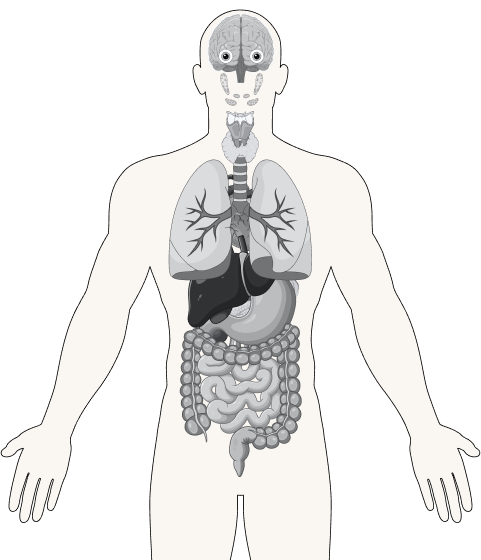
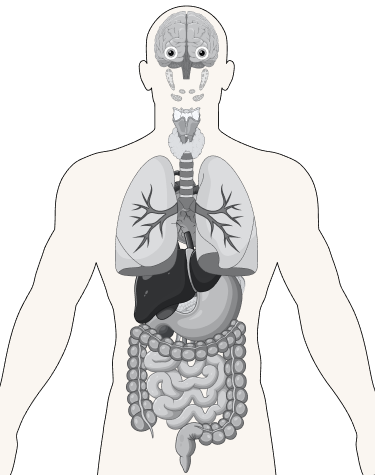
Partner with your doctor
Download the Doctor
Discussion Guide
What is UPLIZNA® (inebilizumab-cdon)?
UPLIZNA is a prescription medicine used to treat adults with: Neuromyelitis optica spectrum disorder (NMOSD) who are anti-aquap... anti-aquaporin-4 (AQP4) antibody positive; Immunoglobulin G4-related disease (IgG4-RD); Generalized myasthenia gravis (gMG) who are anti-acetylcholine receptor (AChR) or anti-muscle specific tyrosine kinase (MuSK) antibody positive. It is not known if UPLIZNA is safe or effective in children. (Read More).


IgG4-related disease can affect many different parts of the body. Symptoms that seem unrelated—like swelling in the eyes or pain in the chest—may actually be connected. This tool can help you explore possible symptoms and prepare to talk with your doctor.
Choose a Body Region to explore symptoms by part of the body, or select All Symptoms to see everything at once. Click on any organ or symptom to read a simple explanation, find out which specialists may help, and add items to your personalized Doctor Discussion Guide to share with your healthcare team.
Get additional information and talk with your doctor about UPLIZNA and lgG4-RD.


Immunoglobulin 4-related disease (IgG4-RD) can affect many organs, and symptoms can appear in different parts of the body. Use this visualizer by clicking on a body region, organ, or symptom to learn more and create a personalized Doctor Discussion Guide to take to your next appointment.
Abdominal pain may occur when IgG4-RD causes inflammation in organs like the pancreas or liver.

Specialty: Gastroenterologist

Specialty: Hepatologist, Gastroenterologist

Specialty: Urologist, Rheumatologist
Talk to your doctor about symptoms you may be experiencing and use this discussion guide to help
Abdominal swelling may happen when organs like the liver and kidneys become inflamed or retain fluid.
Specialty: Hepatologist, Gastroenterologist

Specialty: Nephrologist
Specialty: Urologist, Rheumatologist
Talk to your doctor about symptoms you may be experiencing and use this discussion guide to help
Back pain associated with IgG4-RD is aching, stiffness, or discomfort in the lower or middle back.
Specialty: Nephrologist
Specialty: Urologist, Rheumatologist
Talk to your doctor about symptoms you may be experiencing and use this discussion guide to help
Blood in the urine can make the urine look pink, red, or brown. Sometimes the blood is only seen under a microscope. Blood in the urine may signal inflammation in the kidneys.
Specialty: Nephrologist
Specialty: Urologist, Rheumatologist
Talk to your doctor about symptoms you may be experiencing and use this discussion guide to help
Bulging eyes happen when swelling around or behind the eyes pushes them forward, making them look larger or more prominent than usual.

Specialty: Ophthalmologist, Neurologist

Specialty: Endocrinologist
Talk to your doctor about symptoms you may be experiencing and use this discussion guide to help
Chest pain is any discomfort, tightness, or pressure felt in the chest area. It can be sharp or dull and may spread to the back, shoulders, or arms.

Specialty: Cardiologist

Specialty: Pulmonologist, Rheumatologist
Talk to your doctor about symptoms you may be experiencing and use this discussion guide to help
Chest pressure can feel like tightness or heaviness in the chest, and in IgG4-RD, it may be caused by inflammation around the lungs and blood vessels of the heart.
Specialty: Pulmonologist, Rheumatologist
Specialty: Cardiologist
Talk to your doctor about symptoms you may be experiencing and use this discussion guide to help
A cough may occur when IgG4-RD causes inflammation in the airways or lungs.
Specialty: Pulmonologist, Rheumatologist
Talk to your doctor about symptoms you may be experiencing and use this discussion guide to help
Digestive problems can include nausea, bloating, or diarrhea when IgG4-RD affects the stomach or pancreas.
Specialty: Nephrologist
Specialty: Urologist, Rheumatologist
Talk to your doctor about symptoms you may be experiencing and use this discussion guide to help
Dizziness is the feeling of being lightheaded, unsteady, or like the room is spinning. In
IgG4-RD, it may occur when inflammation affects the inner ear, brain, or blood flow.

Specialty: Neurologist
Specialty: Cardiologist
Talk to your doctor about symptoms you may be experiencing and use this discussion guide to help
Double vision means you see two of the same object instead of one. This can happen when swelling or pressure affects how the eyes move together.
Specialty: Ophthalmologist, Neurologist
Talk to your doctor about symptoms you may be experiencing and use this discussion guide to help
Dry eyes occur when your tear glands don’t make enough tears, or the tears do not work well, leaving your eyes feeling scratchy or irritated.
Dry mouth happens when the salivary glands do not make enough saliva. This can make chewing, swallowing, or speaking uncomfortable.

Specialty: Ear, Nose, and Throat Doctor; Rheumatologist
Talk to your doctor about symptoms you may be experiencing and use this discussion guide to help
Enlarged lymph nodes result from immune system activation and may feel swollen.
Specialty: Endocrinologist
Specialty: Pulmonologist, Rheumatologist
Specialty: Urologist, Rheumatologist
Talk to your doctor about symptoms you may be experiencing and use this discussion guide to help
Facial pain may occur when IgG4-RD affects nerves or sinuses in the face, which may lead to discomfort, pressure, or aching around the eyes, cheeks, or jaw.
Specialty: Neurologist
Specialty: Ear, Nose, and Throat Doctor; Rheumatologist
Talk to your doctor about symptoms you may be experiencing and use this discussion guide to help
Fatigue means feeling unusually tired or lacking energy, even after rest. It may result from ongoing inflammation caused by IgG4-RD.

Specialty: All
Talk to your doctor about symptoms you may be experiencing and use this discussion guide to help
Fever is a rise in body temperature that may occur when the immune system becomes overactive or inflamed. In IgG4-RD, fever can be a sign that the disease is active or affecting multiple organs.
Specialty: All
Talk to your doctor about symptoms you may be experiencing and use this discussion guide to help
A headache is pain or pressure in the head. It can range from mild discomfort to severe throbbing and may be constant or come and go.
Specialty: Neurologist
Talk to your doctor about symptoms you may be experiencing and use this discussion guide to help
An irregular heartbeat happens when inflammation affects the heart’s electrical system, causing the heart to beat too fast, too slow, or irregularly.
Specialty: Cardiologist
Talk to your doctor about symptoms you may be experiencing and use this discussion guide to help
Jaundice causes yellowing of the skin or eyes due to liver or bile duct inflammation and in IgG4-RD may be caused by liver or bile duct inflammation.
Specialty: Hepatologist, Gastroenterologist
Specialty: Urologist, Rheumatologist
Talk to your doctor about symptoms you may be experiencing and use this discussion guide to help
Muscle pain, also called myalgia, can feel like aching, soreness, or tenderness in different parts of the body. It may occur when IgG4-RD causes inflammation in the muscles or connective tissues.
Specialty: All
Talk to your doctor about symptoms you may be experiencing and use this discussion guide to help
Muscle weakness means your muscles feel less strong than usual or tire easily. In IgG4-RD, it can happen when inflammation affects the nerves, muscles, or surrounding tissues.
Specialty: All
Talk to your doctor about symptoms you may be experiencing and use this discussion guide to help
Neck swelling can happen when glands or tissues in the neck become inflamed due to IgG4-RD.
Specialty: Endocrinologist
Specialty: Ear, Nose, and Throat Doctor; Rheumatologist
Talk to your doctor about symptoms you may be experiencing and use this discussion guide to help
Nerve problems may occur when IgG4-RD causes inflammation that affects the nerves, leading to tingling, numbness, or weakness.
Specialty: Neurologist
Talk to your doctor about symptoms you may be experiencing and use this discussion guide to help
A seizure is a sudden change in brain activity that can cause shaking, staring spells, or confusion. Seizures can be mild or more serious.
Specialty: Neurologist
Talk to your doctor about symptoms you may be experiencing and use this discussion guide to help
Shortness of breath means feeling like you cannot get enough air or that breathing is harder than usual. Inflammation, scarring, or masses that affect the heart, aorta, and lungs may cause shortness of breath in IgG4-RD.
Specialty: Cardiologist
Specialty: Pulmonologist, Rheumatologist
Talk to your doctor about symptoms you may be experiencing and use this discussion guide to help
This swelling happens when salivary glands in the cheeks or jaw get larger or feel puffy. It may make the face look fuller or feel tender.
Specialty: Ear, Nose, and Throat Doctor; Rheumatologist
Fluid buildup in the lower extremities such as the abdomen, legs, ankles, and feet may be a sign of poor kidney function.
Specialty: Nephrologist
Specialty: Urologist, Rheumatologist
Talk to your doctor about symptoms you may be experiencing and use this discussion guide to help
Throat pain may happen when inflammation affects the salivary glands, lymph nodes, or nearby tissues in the neck. It can feel sore, scratchy, or tender when swallowing or talking.
Specialty: Ear, Nose, and Throat Doctor; Rheumatologist
Specialty: Endocrinologist
Talk to your doctor about symptoms you may be experiencing and use this discussion guide to help
An underactive thyroid or pituitary gland can affect how hormones are produced and regulated in the body. When hormone levels are too low, it may lead to symptoms such as fatigue, weight changes, or other health concerns.
Specialty: Endocrinologist
Talk to your doctor about symptoms you may be experiencing and use this discussion guide to help
IgG4-RD can cause eye bulging or swelling of the glands around the eyes, and this may affect vision.
Specialty: Ophthalmologist, Neurologist
Talk to your doctor about symptoms you may be experiencing and use this discussion guide to help
Water retention can happen when too much fluid builds up in some of the body's tissues, which can be due to inflammation of the lymph system or any type of kidney dysfunction.
Specialty: Nephrologist
Specialty: Endocrinologist
Talk to your doctor about symptoms you may be experiencing and use this discussion guide to help
Unexpected weight loss can occur when IgG4-RD affects organs that help control metabolism, digestion, or hormone balance.
Specialty: Gastroenterologist
Specialty: Hepatologist, Gastroenterologist
Specialty: Endocrinologist
Talk to your doctor about symptoms you may be experiencing and use this discussion guide to help
Home
IgG4-RD may affect organs within the head and neck. Explore the organs below to learn how this disease can cause swelling, pain, or other changes. If you have any of these symptoms, you can add them to your Doctor Discussion Guide. In addition to rheumatologists, the specialists who treat each organ are provided.
Specialty: Ophthalmologist, Rheumatologist
Specialty: Neurologist
Specialty: Ear, Nose, and Throat Doctor; Rheumatologist
Specialty: Endocrinologist
Home
IgG4-RD may affect organs within the chest. Explore the organs below to learn how this disease can cause swelling, pain, or other changes. If you have any of these symptoms, you can add them to your Doctor Discussion Guide. In addition to rheumatologists, the specialists who treat each organ are provided.
Specialty: Pulmonologist, Rheumatologist
Specialty: Cardiologist
Home
IgG4-RD may affect organs within the abdomen. Explore the organs below to learn how this disease can cause swelling, pain, or other changes. You can add any symptoms you notice to your Doctor Discussion Guide. In addition to Rheumatologists, the specialists who treat each organ are provided.
Specialty: Gastroenterologist
Specialty: Hepatologist, Gastroenterologist
Specialty: Nephrologist
Specialty: Urologist
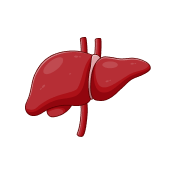
IgG4-RD can affect the biliary tract and liver, leading to inflammation. The ducts may become swollen and narrowed, increasing the risk of infection or jaundice—a condition that causes yellowing of the skin and eyes.
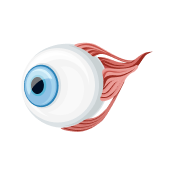
IgG4-RD can affect the eye sockets, causing large masses of tissue and inflamed muscles to develop around the eyes.
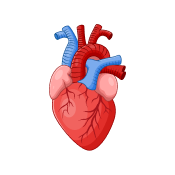
IgG4-RD can affect the heart and aorta. Swelling and weakening of blood vessels can increase the risk of heart disease.
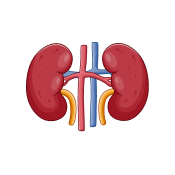
IgG4-RD can affect the kidneys, leading to inflammation that may cause serious health issues, including chronic kidney disease. Symptoms can include swelling in the legs and feet and blood in the urine.
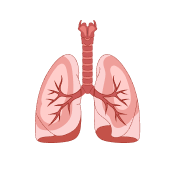
IgG4-RD can affect the lungs, leading to inflammation that may cause lung masses, thickening of the lung walls, and the development of lung disease.

IgG4-RD can affect the meninges, leading to inflammation that may cause nerve problems and seizures.
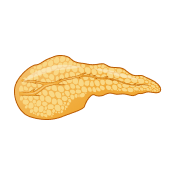
IgG4-RD can affect the pancreas. It may disrupt digestion and nutrient absorption, causing rapid weight loss. Blood sugar levels can also be impacted.
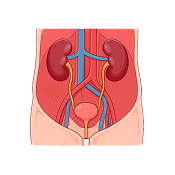
IgG4-RD can affect the retroperitoneum, causing inflammation and fibrosis.
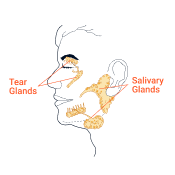
IgG4-RD can affect the salivary and tear glands, leading to swelling and dryness that may result in severe dry mouth and eyes.
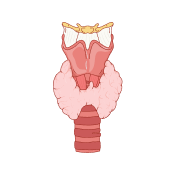
IgG4-RD can affect the thyroid and pituitary glands, leading to inflammation that disrupts hormone levels, which may cause fatigue.
IMPORTANT SAFETY INFORMATION
Who should not receive UPLIZNA?
You should not receive UPLIZNA if you have:
What is the most important information I should know about UPLIZNA?
UPLIZNA may cause serious side effects, including:
Infusion reactions. UPLIZNA can cause infusion reactions, including anaphylaxis, that can be serious or may cause you to be hospitalized. You will be monitored during your infusion and for at least 1 hour after each infusion of UPLIZNA for signs and symptoms of an infusion reaction. Tell your healthcare provider right away if you get any of these symptoms:
If you develop an infusion reaction, your healthcare provider may need to stop or slow down the rate of your infusion and treat your symptoms.
Infections. Infections can happen during treatment with UPLIZNA. Tell your healthcare provider right away if you have an infection or get any of these symptoms:
Before receiving UPLIZNA, tell your healthcare provider about all of your medical conditions, including if you:
Tell your healthcare provider about all the medicines you take, including prescription and over-the-counter medicines, vitamins, and herbal supplements.
What are the possible side effects of UPLIZNA?
UPLIZNA may cause serious side effects, including:
The most common side effects include: urinary tract infection and joint pain in patients with NMOSD; urinary tract infection and low white blood cell count in patients with IgG4-RD; headache and infusion-related reaction in patients with gMG. These are not all the possible side effects of UPLIZNA.
Call your doctor for medical advice about side effects. You may report side effects to FDA at 1-800-FDA-1088.
What is UPLIZNA® (inebilizumab-cdon)?
UPLIZNA is a prescription medicine used to treat adults with: Neuromyelitis optica spectrum disorder (NMOSD) who are anti-aquaporin-4 (AQP4) antibody positive; Immunoglobulin G4-related disease (IgG4-RD); Generalized myasthenia gravis (gMG) who are anti-acetylcholine receptor (AChR) or anti-muscle specific tyrosine kinase (MuSK) antibody positive. It is not known if UPLIZNA is safe or effective in children.
Please see UPLIZNA full Prescribing Information, including Medication Guide.
IMPORTANT SAFETY INFORMATION
Who should not receive UPLIZNA?
You should not receive UPLIZNA if you have:
What is the most important information I should know about UPLIZNA?
UPLIZNA may cause serious side effects, including:
Infusion reactions. UPLIZNA can cause infusion reactions, including anaphylaxis, that can be serious or may cause you to be hospitalized. You will be monitored during your infusion and for at least 1 hour after each infusion of UPLIZNA for signs and symptoms of an infusion reaction. Tell your healthcare provider right away if you get any of these symptoms:
If you develop an infusion reaction, your healthcare provider may need to stop or slow down the rate of your infusion and treat your symptoms.
Infections. Infections can happen during treatment with UPLIZNA. Tell your healthcare provider right away if you have an infection or get any of these symptoms:
Before receiving UPLIZNA, tell your healthcare provider about all of your medical conditions, including if you:
Tell your healthcare provider about all the medicines you take, including prescription and over-the-counter medicines, vitamins, and herbal supplements.
What are the possible side effects of UPLIZNA?
UPLIZNA may cause serious side effects, including:
The most common side effects include: urinary tract infection and joint pain in patients with NMOSD; urinary tract infection and low white blood cell count in patients with IgG4-RD; headache and infusion-related reaction in patients with gMG. These are not all the possible side effects of UPLIZNA.
Call your doctor for medical advice about side effects. You may report side effects to FDA at 1-800-FDA-1088.
What is UPLIZNA® (inebilizumab-cdon)?
UPLIZNA is a prescription medicine used to treat adults with: Neuromyelitis optica spectrum disorder (NMOSD) who are anti-aquaporin-4 (AQP4) antibody positive; Immunoglobulin G4-related disease (IgG4-RD); Generalized myasthenia gravis (gMG) who are anti-acetylcholine receptor (AChR) or anti-muscle specific tyrosine kinase (MuSK) antibody positive. It is not known if UPLIZNA is safe or effective in children.
Please see UPLIZNA full Prescribing Information, including Medication Guide.